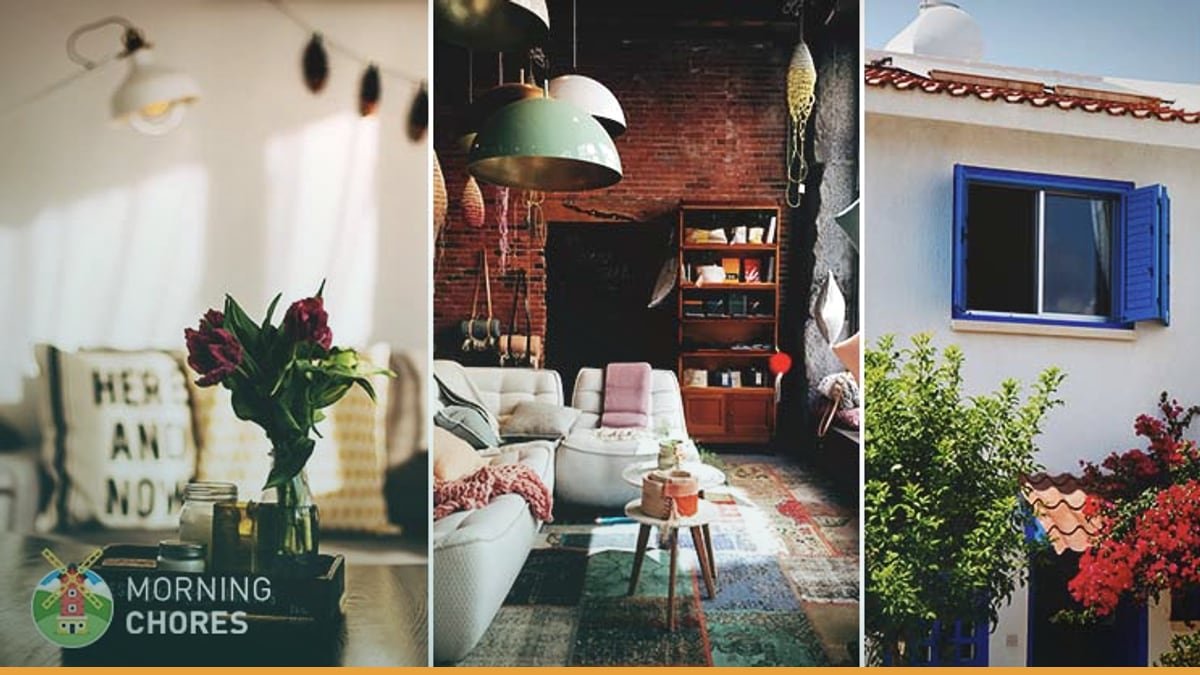
Header image source: 12 Intriguing Ways to Make Your Home Feel More Comfortable via MorningChores via Google — cropped to 16:9 and colour-adjusted.
Key takeaways
- Warm lighting and layered textiles create immediate comfort
- Clutter reduction and sensory design boost mental ease
- Small, reversible changes yield exponential coziness
Your home right now? A missed opportunity. The overhead light hums like a fluorescent interrogation, the couch resists sinking in, and the air carries that stale, unlived-in edge. Comfort isn’t some nebulous luxury—it’s the sum of deliberate choices that engage your senses, balance function with warmth, and reflect how you actually live. Swap harsh lighting for warm lamps. Layer in rugs, throws, and pillows. Corral clutter with trays. Introduce plants and scents. Choose colors that soothe rather than shout. These aren’t decor tips—they’re sensory recalibrations that make a space feel like yours.
The best part? Most of these changes cost less than a single piece of furniture and take an afternoon to implement. Let’s break down why they work—and how to apply them without overcomplicating things.
Lighting: Why Softness Beats Brightness
Harsh overhead lighting doesn’t just illuminate. It flattens. A single 60-watt bulb in a ceiling fixture can turn a living room into a dentist’s waiting area, stripping away depth and warmth. The research is clear: bright, cool-toned lighting (above 4000K) triggers alertness, while warmer tones (2700K–3000K) mimic the golden hour of sunset, signaling safety and relaxation to your brain.
Start with the bulbs. Replace any cool-white LEDs with warm-white versions—Philips WarmGlow or GE Relax are widely available and dimmable. Then, layer your light sources. A floor lamp in the corner (try a paper shade for diffusion), a table lamp on a console, and even a string of fairy lights draped over a bookshelf create pools of light that define spaces without glare. Barbulianno Design recommends ceiling pendants with dimmers for flexibility.
Natural light is the wildcard. If your windows face north or are blocked by trees, sheer curtains will soften incoming light without darkening the room. For south-facing windows, heavier drapes in linen or cotton can temper afternoon glare. The goal isn’t to live in twilight but to avoid the fluorescent sterility of an office lobby.
Textiles: The Fastest Way to Add Warmth and Texture
Textiles are the unsung heroes of comfort. They absorb sound, regulate temperature, and provide the tactile reassurance of softness—a wool throw on a leather sofa, a jute rug under bare feet, linen curtains that filter light like parchment. Textiles are one of the easiest ways to make a space feel cozy and comfortable.
Start with the floor. Hardwood or tile can feel clinical, especially in colder months. An area rug—even a small 5’x7’ one—anchors a seating area and adds insulation. Look for natural fibers like wool or cotton, which age better than synthetics. Next, layer in blankets and pillows. Maison Design Home suggests mixing textures to create contrast and add luxury. Thrift stores are goldmines for this; a $10 wool blanket can outperform a designer duvet if it’s soft enough.
Don’t neglect windows. Linen shades paired with heavier drapes give you control over light and privacy while adding visual weight to a room. For a budget hack, dye plain white curtains with tea or coffee for an instant aged look.
Organization: How Clutter Undermines Comfort (And How to Fix It)
Clutter isn’t just visual noise. It’s mental noise. A study from Princeton University found that physical clutter competes for your attention, reducing your ability to focus and increasing stress. The solution isn’t a minimalist overhaul but strategic containment.
Trays are the simplest fix. Group remotes, candles, and coasters on a wooden tray to corral visual chaos. For larger items, use baskets or storage ottomans—anything that hides mess while keeping it accessible. Maison Design Home recommends leaving breathing space between furniture and walls.
Hidden storage is key. Under-bed bins, coffee tables with shelves, and wall-mounted hooks keep surfaces clear. If you’re renting and can’t install built-ins, freestanding bookshelves or ladder shelves add vertical storage without permanent changes.
Sensory Design: Beyond Looks—Engaging Smell, Sound, and Touch
Comfort isn’t just what you see. It’s what you smell, hear, and feel. A home that engages multiple senses feels more immersive and lived-in. Start with scent. Textures, sounds, and scents can go a long way toward making a home feel good. A simmer pot of citrus peels and cinnamon on the stove (or a diffuser with lavender oil) creates a subtle, welcoming aroma. Avoid synthetic air fresheners; they often contain phthalates, which can irritate lungs.
Sound matters too. For touch, mix materials: smooth wood against nubby wool, sleek metal with rough-hewn stone. Even a single textured throw pillow can make a sofa feel more inviting.
Plants pull double duty. Beyond their air-purifying benefits (NASA’s Clean Air Study found that species like snake plants and pothos remove toxins like formaldehyde), they add life to a room. Even two or three small plants can make the air feel lighter and add color without being over the top. If you kill every plant you touch, opt for hardy varieties like ZZ plants or succulents.
Color and Contrast: Balancing Warmth and Visual Harmony
Color sets the emotional tone of a room. Warm neutrals—beige, taupe, terracotta—create a cocooning effect, while cool tones like soft blue or gray can feel calming but sterile if overused. Color plays an important role in making your home feel warm and inviting through thoughtful color choices.
Contrast is just as important. Pairing smooth and rough textures (a velvet sofa with a jute rug) adds depth, while varying shades of the same color (e.g., cream and camel) create harmony. For walls, consider muted tones like Sherwin-Williams’ "Accessible Beige" or Farrow & Ball’s "Skimming Stone"—they’re neutral enough to work with any decor but warmer than stark white.
Personalization ties it together. Displaying artwork, photos, or collections (even something as simple as a shelf of vintage books) makes a space feel uniquely yours. Displaying artwork from favorite artists can be inspiring and make your home feel more comfortable to you and your guests. It’s not about gallery-worthy pieces but items that evoke positive emotions.
Air Quality and Temperature: The Invisible Factors That Shape Comfort
Drafts, humidity, and stale air can sabotage comfort even in a beautifully decorated room. Eliminating drafts and stuffiness is foundational to making a home feel stable. Start with weatherstripping around doors and windows—it’s a $20 fix that stops cold air from seeping in. For hardwood floors, rugs add insulation; in summer, they prevent rooms from feeling like ice rinks.
Humidity levels should hover between 30% and 50%. Too dry? A humidifier or even a bowl of water near a radiator can help. Too damp? Moisture absorbers like DampRid or a dehumidifier will prevent mold and that clammy feeling. Plants like peace lilies can also regulate humidity naturally.
Temperature consistency is the final frontier. Smart thermostats (like Nest or Ecobee) learn your schedule and adjust heating/cooling to avoid hot or cold spots. If you don’t want tech, simple fixes like closing vents in unused rooms or using fans to circulate air can make a difference.
Personalization: Why Your Home Should Tell Your Story
A home feels comfortable when it reflects the people who live in it—not a catalog spread. Wall decor makes a huge difference in making a house feel like home. That doesn’t mean covering every inch of wall space; it means curating items that matter to you.
Start with furniture arrangement. Creating distinct zones—a reading nook with a chair and lamp, a conversation area with a sofa and coffee table—adds functionality and coziness. Leaving breathing space around furniture helps define distinct areas.
Sentimental items are the secret weapon. Displaying heirlooms, travel souvenirs, or even a collection of vintage postcards adds emotional warmth. A framed photo from a favorite trip, a quilt made by a grandparent, or a shelf of well-loved books turns a house into a home. It’s not about perfection. It’s about resonance.
The Cumulative Effect: Why Small Changes Add Up
Here’s the thing about comfort: it’s not about any single element. It’s how they interact. A living room with warm lighting, layered textiles, a few plants, and organized surfaces feels exponentially cozier than one with just a rug or a lamp. The magic happens in the overlap—in the way a wool throw softens the lines of a leather sofa, or how a tray of candles and books turns a coffee table into a focal point.
The best part? Most of these changes are reversible. Swap out a rug if it doesn’t work. Move a lamp to a different corner. Paint a wall and repaint it if you hate the color. Comfort isn’t a destination. It’s a process of tuning a space to your senses and lifestyle.
So start small. Replace one light bulb. Add a throw blanket. Put a plant on the windowsill. See how it feels. Then do it again. Because a comfortable home isn’t built in a day. It’s refined over time, one deliberate choice at a time. The question isn’t whether you can make your home more comfortable. It’s whether you’ll start.
Sources
- How can I make my home feel more comfortable?
- 5 ways to make your home feel cozy – Maison Designs Home
- 7 ways to make your first home feel right—cozy, functional, and personal
- What makes a home feel good?
- 17 Tips to Make your Home feel Cosy and Inviting on a …
- 11 unexpected ways to create a comfortable home
- Make Your House Feel Like Home With These 9 Tips